


Understanding the psychological triggers behind gambling behavior
The Allure of Risk and Reward
The thrill of gambling often stems from the psychological concept of risk and reward. Gamblers are drawn to the potential for significant monetary gain, which activates the brain’s reward system. This drive can create a euphoric feeling, akin to the rush experienced during exciting activities. The anticipation of winning can overshadow the potential losses, compelling individuals to engage in behavior that might not align with their financial well-being. Online gambling platforms have significantly transformed how people approach this risk, with options for immediate payment methods like best casino that accepts neosurf deposits, enhancing the experience further.
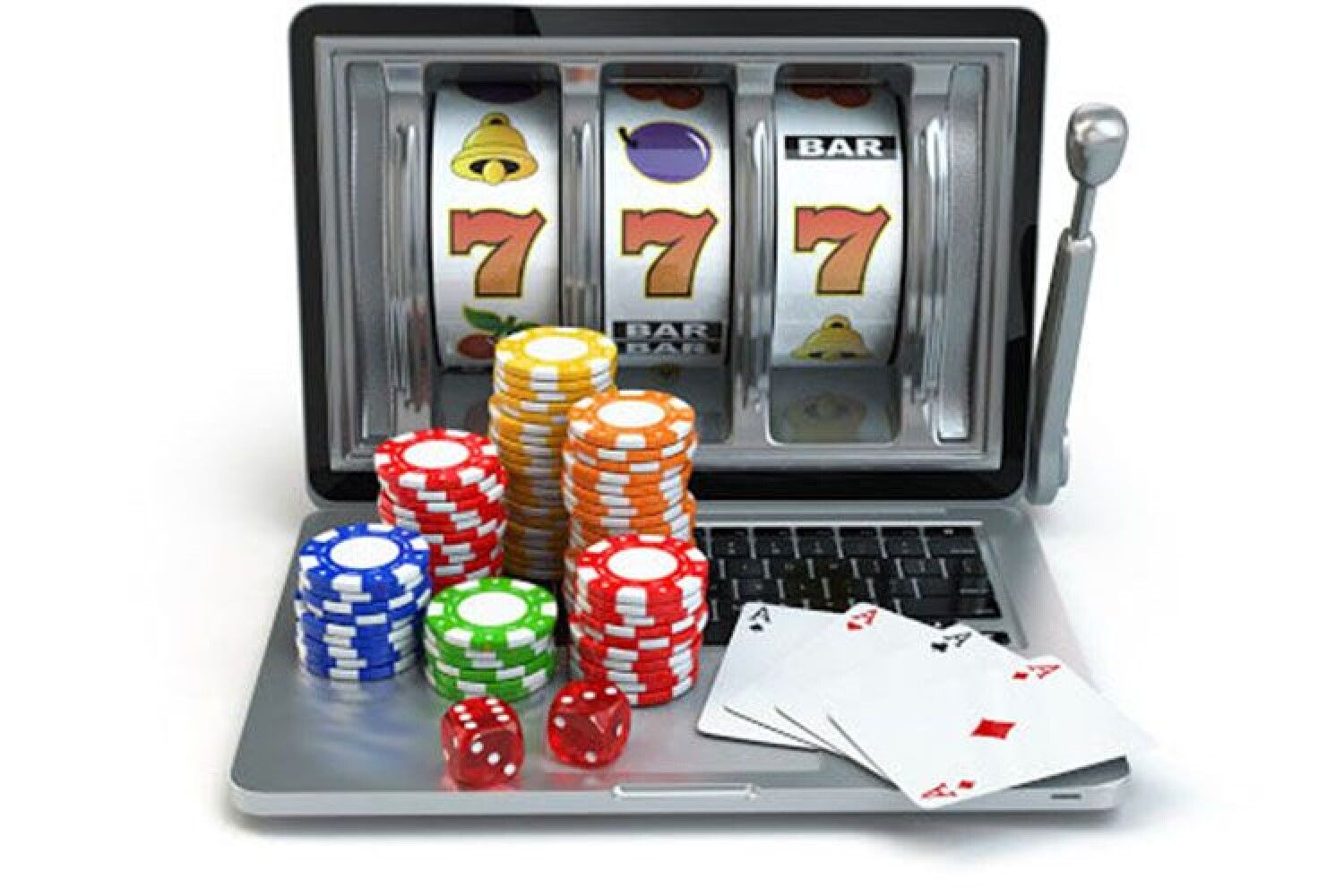
This relationship between risk and reward can lead to irrational decision-making. Gamblers may believe they have control over their outcomes, a phenomenon known as illusion of control. This belief encourages persistent gambling, as individuals often overestimate their chances of winning and underestimate the role of chance. Understanding these psychological triggers can provide insights into why people gamble, even when the odds are against them.
The Role of Emotions in Gambling
Emotional states significantly influence gambling behavior. Many individuals turn to gambling as a means of coping with stress, anxiety, or depression. The temporary escape provided by gambling can feel rewarding, leading to a cycle where individuals seek out these experiences to alleviate negative emotions. However, this reliance can escalate, resulting in problematic gambling habits.
Additionally, feelings of excitement during gameplay can amplify emotional responses, making losses feel more acute. The emotional rollercoaster associated with gambling—alternating between euphoric wins and devastating losses—can create a strong attachment to the activity. Understanding the interplay of emotions in gambling is crucial for recognizing patterns and behaviors that may require intervention or support.
Social Influences and Gambling Behavior
Social factors play a pivotal role in gambling behavior. Peer influence can significantly impact an individual’s decision to engage in gambling. Many people start gambling because friends or family members participate, creating a social norm that promotes such activities. This phenomenon can be particularly pronounced in settings like casinos or online gaming platforms, where social interaction enhances the experience.
Furthermore, social media and advertisements often glamorize gambling, depicting it as a thrilling and socially accepted pastime. This portrayal can contribute to a sense of normalcy around gambling, potentially leading more individuals to partake. Understanding how social dynamics influence gambling behavior is key to addressing both responsible gambling practices and the prevention of gambling addiction.
Cognitive Biases and Gambling Decisions
Cognitive biases significantly shape gambling decisions. One common bias is the gambler’s fallacy, where individuals believe that past events can influence future outcomes in random games. For example, if a player loses several times in a row, they may incorrectly assume that a win is “due.” This flawed reasoning can lead to continued gambling and increased losses.
Other cognitive biases, such as confirmation bias, can further entrench gambling behaviors. Individuals might only recognize instances that support their beliefs about their gambling skills while ignoring evidence to the contrary. These cognitive distortions can create a false narrative about one’s abilities, making it challenging to step back and assess gambling behaviors objectively.

Enhancing Gambling Experiences through Secure Platforms
Given the complexity of gambling behavior, platforms that prioritize user security and convenience are essential. Websites like Neosurf Casino Australia offer safe payment options, ensuring players can enjoy their gaming experiences without compromising their personal banking information. This focus on security allows individuals to engage in gambling in a more controlled and informed manner.
By providing comprehensive guides on bonuses, top casinos, and deposit methods, these platforms aim to educate players. An informed approach to gambling can help mitigate some of the psychological triggers discussed, promoting a healthier relationship with gambling activities. As the industry evolves, enhancing user security will remain a critical focus to support responsible gambling practices.